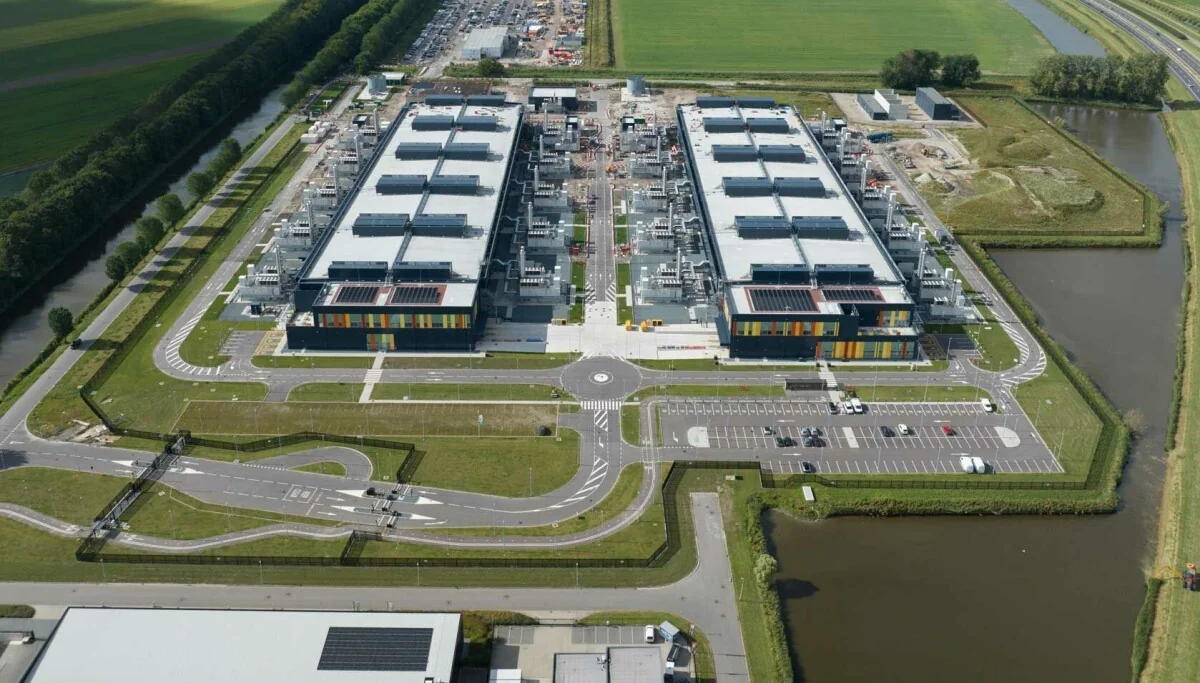
編按:本文綜合整理自 The Register、愛爾蘭中央統計局(CSO)原始報告、The Irish Times 與 AlgorithmWatch,並加入 Siami 編輯部觀點與分析。
愛爾蘭中央統計局(CSO)最新公布的「2025 年資料中心計量用電」報告,揭露一個驚人的數字:資料中心如今消耗掉全愛爾蘭 23% 的計量用電,較 2024 年再成長 10%。這個比率在 2015 年僅 5%,十年內翻了近 5 倍。雖然 Dublin 地區自 2021 年起實施新電網接入的實質禁令,但 2025 全年的用電量仍逆勢成長。
一、CSO 原始數據:十年成長曲線
根據 CSO 氣候與能源部門統計員 Grzegorz Głaczyński 的說明:
- 2025 年總用電量:7,663 GWh(2024 年為 6,973 GWh,年增 10%)
- 其他所有用戶同期用電僅成長 2%
- 2025 年資料中心佔比:23%(2024 年 22%、2023 年 20%、2021 年 14%、2015 年僅 5%)
- 2015 → 2019:從 1,240 GWh 增至 2,490 GWh(翻倍)
- 2019 → 2025:再翻三倍至 7,663 GWh
資料中心用電量每年無一例外地成長,從 2015 到 2025 十年間成長超過 6 倍。
更具體的對比:資料中心用電量 比城市家庭用電(18%)多,是 農村家庭用電(9%)的兩倍以上。整個國家的計量用電總量在 2015 到 2025 間成長了 34%,但其中幾乎所有增量都被資料中心吃下。
二、CRU 禁令與 2025 年底解禁
愛爾蘭公用事業管制委員會(CRU)在 2021 年對 Dublin 地區新資料中心實施電網接入的實質禁令,原因是 EirGrid 評估後認為繼續擴張將威脅電網穩定。禁令在 2025 年 12 月正式解除,附帶嚴格條件:
- 申請超過 10 MW 電網容量的資料中心,必須自備能提供同等電力的發電機或電池系統
- 必要時須將電力回送國家電網(Microsoft 與 Digital Realty 已率先試行此模式)
- 再生能源電力採購比例須達 80%
- 須進行選址與電網網路影響評估
不過弔詭的是,雖然禁令在 2025 年底才解除,但 2025 全年的資料中心用電量仍成長了 10%。CSO 報告指出,這是因為現有設施持續擴建,以及部分 2022 年前已核准的案子正在收尾投產。
為什麼這件事重要
愛爾蘭只有 510 萬人口、80 座以上資料中心——這個密度在全球都是異數。CSO 報告的殘酷真相是:這些資料中心幾乎沒有一座是為了服務愛爾蘭本地使用者。Google、Microsoft、Amazon、Meta 的歐洲雲端服務骨幹都架在 Dublin,產生的利潤回到美國總部,但留下的是 23% 的全國用電、持續上漲的電費、以及社區抗議。
AlgorithmWatch 的分析指出,愛爾蘭已成為**「AI 主權」概念的測試犧牲品**——歐盟想保有 AI 自主能力,需要強大算力;最便宜的方法是把機房蓋在企業稅只有 12.5% 的愛爾蘭。代價由全體居民承擔:能源成本上漲、電網升級費用被攤提給一般用戶、水資源也被冷卻系統大量消耗。28 個公民團體與工會(Friends of the Earth 領銜)已連署要求重新實施禁令,直到獨立評估完成。
美國的 Trump 政府現在也被迫介入處理類似問題——要求科技巨頭承諾資料中心擴張不會拉高一般家庭電費或耗盡本地水資源。換句話說,愛爾蘭的困境正在成為其他國家的前車之鑑。
數據解讀與質疑
幾個值得追問的盲點:
- 23% 是「計量用電」而非「總發電」:CSO 數據基於計量數字,愛爾蘭全國總發電量中,資料中心實際佔比可能略有不同,但方向一致。
- 再生能源比例被淡化:雖然 CRU 新規要求 80% 再生能源,但 Friends of the Irish Environment 報告指出,新規允許資料中心在未來 6 年內繼續使用化石燃料,這與愛爾蘭 2030 年碳中和目標明顯衝突。
- 成本外部化:HN 留言 jmyeet 點出關鍵問題——資料中心拿到次市場電價與稅務減免,但電網升級 capex 由全體用戶分攤。實際補貼規模從未公開精算。
- 歷史對照:cma 在 HN 留言中提到,愛爾蘭大饑荒時期仍是糧食淨出口國(良田被拿去種牛隻出口)。今日的能源版本,似乎只是換了主角重演同樣的故事。
後續觀察重點
- 2026 年 3 月 31 日:EirGrid 與 ESB Networks 將公布新資料中心申請流程
- 2026 年 4 月 1 日:EirGrid 已向 CRU 提交 Grid Code Modification Recommendation
- 歐盟 AI Act 全面落地後,資料中心能源使用揭露要求可能進一步加嚴
- 公民社會 vs. 科技業的政治角力將在 2026 下半年國會大選前升溫
愛爾蘭的故事不僅是地方能源危機,更是**「算力主權 vs. 環境代價」**全球辯論的縮影。當一座 510 萬人的小國必須用 23% 的全國電力養活 80 座 AI 機房,問題的本質已經不是「要不要 AI」,而是「誰來付帳、付多少、付給誰」。
延伸閱讀:
網友熱門留言 (5)