← 返回 Siami 首頁

LG 宣布下架含住宅代理 SDK 的 Smart TV 應用,Pac-Man 變家用流量節點

▲ 322 💬 45
LG 宣布下架含住宅代理 SDK 的 Smart TV 應用,Pac-Man 變家用流量節點

LG 宣布下架含住宅代理 SDK 的 Smart TV 應用

韓國家電大廠 LG Electronics USA 本週公開承諾,將全面下架任何把用戶電視變成「24 小時住宅代理節點」的 Smart TV 應用。這項決定距離資安研究機構 Spur 公布研究報告還不到一個月──Spur 的研究指出,LG webOS 商店上架的應用中,超過 42% 內嵌住宅代理 SDK,等同讓第三方任意把網路流量繞道到一般消費者的家中電視。

更引起側目的是,Spur 同步掃描 Samsung Tizen 平台,發現超過四分之一的應用含類似 SDK。雖然 Samsung 截至目前尚未跟進表態,但 LG 的率先清退,已為整個 Smart TV 產業劃下監管紅線。


Spur 研究:6,038 個 app 中 2,058 個藏代理 SDK

Spur Intelligence 於 6 月 22 日發布完整研究,掃描 LG webOS 與 Samsung Tizen 商店共 6,038 個應用,最終揪出 2,058 個內含住宅代理程式開發套件(SDK),比例達 34.1%。

值得留意的是幾個關鍵發現:

  • 應用類型涵蓋「看似無害」的內容,包括經典遊戲(例如 Pac-Man)、螢幕保護程式、檔案工具
  • Bright Data(以色列代理網路商)在兩個平台 SDK 市占皆過半,是最大宗供應商
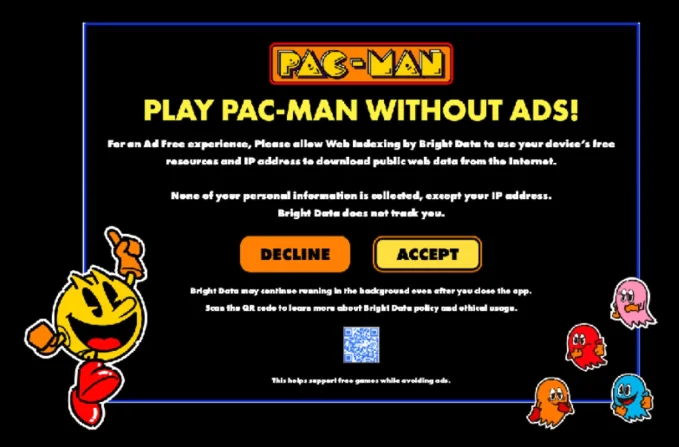
  • 應用透過 「看廣告 vs. 允許代理」二選一 機制引導使用者同意:Pac-Man 玩家若不想看廣告,唯一選項是同意電視成為代理節點

對此,LG 資深副總裁 John Taylor 回應 KrebsOnSecurity 時明確表示:「住宅代理網路不是 LG Smart TV 的預期用途。LG 方面正與開發者合作,從 webOS 平台移除相關選項,若未在期限內移除,應用將遭到下架。」

Taylor 強調審查「目前進展順利」,並承諾未來 LG 將強化開發者上架審核流程。


為什麼這件事重要

「埋在電視應用裡的一次性同意提示,根本無法取代真正的資訊透明度、持續可控性與平台監督。」──Spur 研究員 Trevor Sutter

這起事件的核心問題,並非「住宅代理網路存在」本身,而在於它被大規模嵌入到使用者根本不會視為電腦的裝置。

對一般消費者而言,Smart TV 是被動觀影設備,使用者不會預期它需要定期稽訊哪些應用請求了網路權限、又把頻寬賣給誰。更麻煩的是,當家中未成年人按下「接受」鈕時,技術上等同讓整個家庭網路頻寬與 IP 位置被陌生買家租用,整個流程的「知情同意」基礎就站不住腳。

引用 Spur 的研究數據,6,038 個應用中有 2,058 個(34.1%)含 SDK;進一步細看 LG 平台佔比高達 42%,這個比例已是「隨機下載就有近半機率中標」,遠超過一般平台應有的合理範圍。


數據解讀與質疑

這份數字背後有兩個值得反覆咀嚼的細節:

  1. Samsung 仍未表態 — Spur 研究指出 Samsung Tizen 平台約 25-27% 的應用含類似 SDK,但截至目前 Samsung 並未像 LG 一樣公開承諾清退。隨著 LG 開第一槍,Samsung 的沉默很可能會在歐美監管圈與消費者團體間形成壓力點。
  2. Bright Data 的角色 — 研究指出 Bright Data 在兩個平台 SDK 市占皆過半,但該公司對 KrebsOnSecurity 的採訪請求未回應。住宅代理產業普遍強調「嚴格 KYC(認識你的客戶)」流程,但當「客戶」包含爬蟲業者、AI 訓練資料蒐集器時,最終把 IP 路由透過家用網路的決定權,仍在使用者手上嗎?

另一個不可忽略的延伸爭議,是 LG 同一週被 Gamers Nexus 揭露的另一樁事件:部分 LG 高階 LCD 螢幕透過 Windows Update 自動安裝 McAfee 推廣應用,使用者完全沒有同意提示。Gamers Nexus 實測 32 次開機,其中 31 次跳出 McAfee 試用廣告。雖然 LG 並未對此正式回應,但兩件爭議疊加,讓「LG 對使用者裝置做了什麼」這個母題在 2026 年下半年格外受到業界關注。


編按與資料來源

編按:本文綜合整理自 Krebs on Security 的一手報導、Spur Intelligence 原始研究、Help Net Security 與 CyberInsider 等同業覆盤,並加入 Siami 編輯部觀點與分析。統計數字(6,038 應用、2,058 含 SDK、34.1% 比例)均直接引用 Spur 原始報告。

主要外部延伸連結:

網友熱門留言 (6)

#1 jchw 0
None of my TVs are connected to the Internet. That said, I could really do with a better open source fullscreen UI, especially since I mainly just want a web browser that works good. I'm just using KDE Plasma with a custom daemon to control the TV power state over an HDMI CEC adapter plus an old K830 keyboard. I'm, frankly, a bit annoyed by this whole thing; I'd rather have USB adapter RF wireless because it is simpler to deal with vs Bluetooth, but actually I can't even find other Bluetooth keyboards that are as compelling as this K830 and worse yet, they don't even make the K830 anymore. I don't really mind KDE Plasma with just some minor customizations but I don't really like any of the options like Kodi. Maybe Plasma BigScreen will eventually be what I want for that. And finally, HDMI CEC is a pain in the ass. For reasons, I actually use an adapter to get CEC support on a normal PC platform, because most PC HDMI ports can't do it. And also, it's just a bizarre and overly complicated thing. I have it working reliably, but it took some time to iron out all the kinks, particularly because my TV responds quite differently depending on how recently it was powered off. I really just want a big monitor and to basically just use DPMS... Like a computer does, but large computer monitors tend to be expensive and don't always have remote controls, which admittedly are handy.
#2 0xblinq 0
I'm very worried with all this bullshit around TVs. I've been running the same Samsung UE40C6530 since 2010. It's 16 f'ng years and the thing works flawlessly like the first day. No other electronic device in my life worked so well, during so long. But I'm about to move to a new home, and it feels like it's about time to get something more modern, at least a 4k TV. But I'm honestly totally lost at what to buy. I do not want a "Smart" tv that's slow to start, bloated with crap, installing updates every day, and maybe even spying on me. I want a plain, old, normal TV. If possible without Android or any advanced operating system. Just a TV. I'll plug external content myself, either via a Chromecast device, or something similar. I don't want my TV to be a full fledged computer. Is there such a thing? What would you buy nowadays? It seems you're forced to get yet another computer to maintain and be worried about whatever you buy.
#3 miki123211 0
> researchers found that more than 42 percent of games and other apps available for download on LG’s webOS store allow unknown third-parties to route their Internet traffic through a user’s TV. Eh, so even sources as reliable as Krebs on Security sometimes engage in bad statistics. This is a statistic that feels significant, but actually tells you nothing. For all we know, "42% of all apps" can mean a single spray-and-pray campaign with a few hundred downloads in total, with the vast majority of users only downloading apps from the top10, which are all unaffected. Or maybe the problem is widespread across the entire distribution of app downloads, with the majority of users having at least one infected app. We don't know either way, because "42% of apps" is a completely meaningless statistic.
#4 jmward01 0
Honestly I have nothing but anger for all parties involved here. We need to treat any appliance as hostile. Vote for people that will stop this stuff. Don't buy it. This is digital assault and should be treated as such. If any of the HN crowd reading this are tech reviewers, make privacy and security a first class feature of the things you review. If it has a network connection then ask hard questions of the manufacturer about how they are managing that massive responsibility and what promises they have about how they will, and won't, use it. Ask what qualifies a 'trusted partner' and get a list of them so you can dig into them and report on how much those partners can or can't be trusted. I really don't care how bright the screen is if this type of stuff happens. I'd rather watch nothing.
#5 ifh-hn 0
My question is how would a user know their TV is being used like this? Also this is the reason you down download random crap onto your devices. I have an LG that is connected on its own network with bare minimal apps (netflix, prime, etc) because it's too convenient for my family. I actually bought it because it didn't display ads on the home screen like the other smart TVs I'd researched. Thought LG was the lesser evil, turns out they're all a bad as each other.
#6 awllau 0
What happens to the copies already installed? Spur says these SDKs can keep running after the app is closed and only stop when the user deletes the app or opts out. LG says developers must remove them or have their apps suspended, but the article doesn’t say whether that disables existing installs. If it doesn’t, LG needs to tell affected users which apps to remove. Does webOS have any way to kill an installed app remotely?